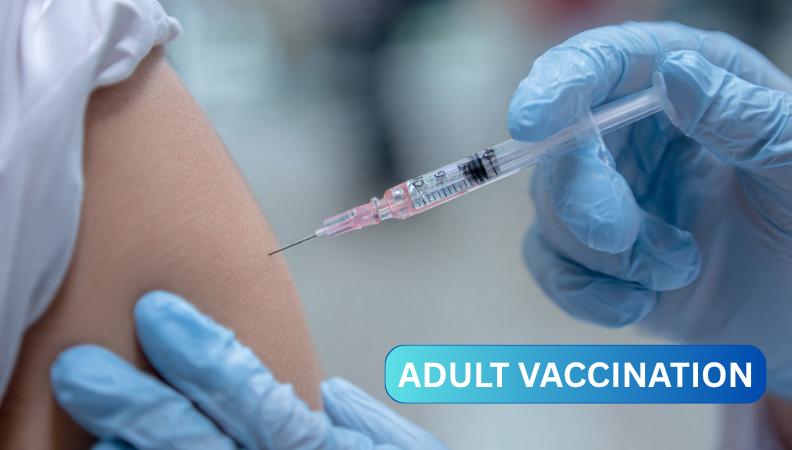
Adult Vaccination
Vaccination is often associated with childhood, but immunization is just as important for adults. As we age, our immune system weakens, lifestyle factors change, and the risk of certain infections increases. Adult vaccination plays a crucial role in maintaining long-term health, preventing disease complications, and protecting vulnerable populations.
Why Adult Vaccination Is Important
Many adults believe that vaccines are only necessary during childhood. However, immunity from some childhood vaccines can wear off over time, and new vaccines may be needed based on age, occupation, travel, or health conditions. Vaccines help the body recognize and fight harmful pathogens, reducing the risk of serious illness, hospitalization, and even death.
Additionally, vaccinated individuals contribute to community immunity (also known as herd immunity), which protects those who cannot be vaccinated due to medical reasons, such as weakened immune systems or allergies.
Common Vaccines Recommended for Adults
The vaccines recommended for adults vary depending on age, health status, and lifestyle. Some of the most commonly advised vaccines include:
1. Influenza (Flu) Vaccine
The flu vaccine is recommended annually for all adults. Influenza viruses evolve quickly, so a new vaccine is developed each year to protect against the most common strains. It is especially important for older adults, pregnant women, and those with chronic conditions.
2. Tetanus, Diphtheria, and Pertussis (Tdap) Vaccine
Adults should receive a Tdap vaccine once if they did not receive it during adolescence, followed by a tetanus and diphtheria (Td) booster every 10 years. This vaccine protects against serious bacterial infections that can cause breathing problems and muscle stiffness.
3. COVID-19 Vaccine
COVID-19 vaccination remains essential in preventing severe illness and complications. Booster doses may be recommended based on evolving guidelines, age, and risk factors.
4. Hepatitis B Vaccine
Hepatitis B is a viral infection that affects the liver and can lead to chronic disease or liver cancer. Adults at higher risk—including healthcare workers, individuals with multiple sexual partners, or those with diabetes—should consider vaccination.
5. Human Papillomavirus (HPV) Vaccine
The HPV vaccine is recommended for adults up to a certain age (often up to 26, and sometimes beyond based on medical advice). It helps prevent infections that can lead to cervical, throat, and other cancers.
6. Pneumococcal Vaccine
This vaccine protects against infections caused by pneumococcal bacteria, including pneumonia, meningitis, and bloodstream infections. It is especially recommended for adults aged 65 and older or those with chronic illnesses.
7. Shingles (Herpes Zoster) Vaccine
Shingles is a painful rash caused by the reactivation of the chickenpox virus. Adults over 50 are advised to receive the shingles vaccine to prevent this condition and its complications.
Who Needs Adult Vaccination the Most?
While all adults benefit from staying up to date with vaccines, certain groups should be particularly vigilant:
- Older Adults (60+): Age-related decline in immunity increases susceptibility to infections.
- People with Chronic Conditions: Conditions like diabetes, heart disease, or asthma can worsen infection outcomes.
- Healthcare Workers: Increased exposure to infectious diseases makes vaccination essential.
- Travelers: International travel may require specific vaccines depending on the destination.
- Pregnant Women: Certain vaccines protect both the mother and the baby.
Benefits Beyond Individual Protection
Adult vaccination does more than just protect individuals—it has a broader public health impact. By reducing the spread of infectious diseases, vaccines lower healthcare costs, prevent outbreaks, and reduce the burden on healthcare systems. This is especially important in densely populated regions where infections can spread rapidly.
Vaccination also helps prevent complications that can arise from seemingly common illnesses. For example, influenza can lead to pneumonia, while shingles can cause long-term nerve pain. Preventing these diseases reduces long-term health risks and improves quality of life.
Addressing Common Myths and Concerns
Despite proven benefits, some adults hesitate to get vaccinated due to misconceptions. It is important to address these concerns:
- “Vaccines are only for children.”
Immunity can decrease over time, and adults need booster doses or new vaccines. - “Healthy people don’t need vaccines.”
Even healthy individuals can contract and spread infections. - “Vaccines have serious side effects.”
Most vaccines are safe, with mild side effects such as soreness or low-grade fever. Serious reactions are rare. - “Natural immunity is better.”
While natural infection can provide immunity, it often comes with significant risks and complications that vaccines help avoid.
How to Stay Up to Date
Keeping track of vaccination schedules can be challenging, but a few simple steps can help:
- Maintain a personal vaccination record.
- Consult a healthcare provider regularly.
- Follow national immunization guidelines.
- Stay informed about new vaccine recommendations.
Healthcare providers can assess individual risk factors and recommend a personalized vaccination plan.
The Role of Awareness and Accessibility
One of the biggest barriers to adult vaccination is lack of awareness. Many adults are simply unaware of the vaccines they need. Public health campaigns, workplace wellness programs, and community outreach can play a significant role in increasing awareness.
Accessibility is another key factor. Making vaccines available at clinics, pharmacies, and workplaces can significantly improve uptake. Governments and healthcare organizations must continue to invest in immunization programs to ensure vaccines are affordable and widely available.