Shopping cart

Subtotal: $4398.00

View cart Checkout

Niramaya Skin & Cancer Clinic is a specialized center for comprehensive dermatology and oncology care, offering ethical, evidence-based, and patient-focused treatment in a compassionate environment.

Let’s Stay In Touch

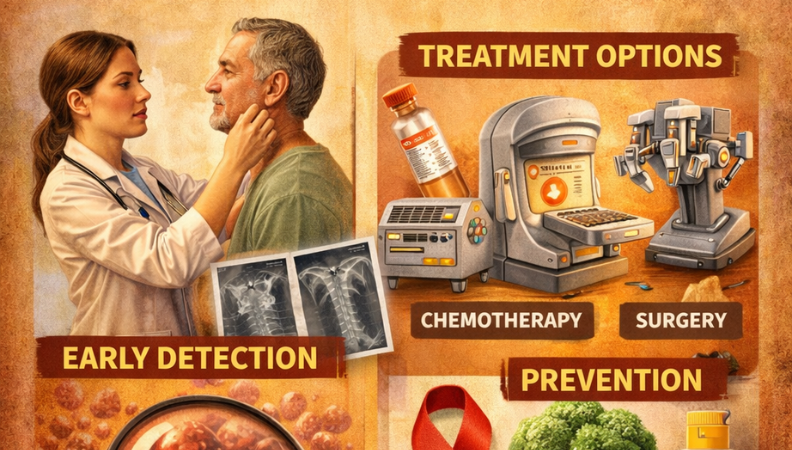
Blog Image

Understanding Cancer: Early Detection, Treatment Options, and Prevention

Cancer is one of the leading health concerns worldwide, affecting millions of people each year. Despite its seriousness, advances in medical science have made early detection, effective treatments, and prevention strategies more accessible than ever. Understanding how cancer develops, how it can be detected early, and what treatment options are available can help individuals take proactive steps toward protecting their health.

In this article, we’ll explore the basics of cancer, the importance of early detection, available treatment options, and practical ways to reduce the risk.

What Is Cancer?

Cancer is a disease in which abnormal cells grow uncontrollably and may spread to other parts of the body. Normally, the body’s cells grow, divide, and die in a regulated manner. However, when this process goes wrong due to genetic mutations or environmental factors, damaged cells continue multiplying, forming tumors.

Cancer can develop in almost any part of the body, including the lungs, breast, skin, colon, prostate, and blood. Some cancers form solid tumors, while others, such as leukemia, affect the blood and bone marrow.

While cancer can be life-threatening, many types are highly treatable when diagnosed early.

The Importance of Early Detection

Early detection is one of the most important factors in improving cancer survival rates. When cancer is discovered in its initial stages, treatment is often simpler, less invasive, and more effective.

Early detection generally happens through two methods:

1. Screening Tests

Screening tests are used to detect cancer before symptoms appear. These tests are recommended for individuals at certain ages or risk levels. Common screening tests include:

  • Mammograms for breast cancer
  • Pap tests for cervical cancer
  • Colonoscopy for colorectal cancer
  • Low-dose CT scans for lung cancer in high-risk individuals

Regular screenings help doctors detect abnormal changes before they become serious.

2. Recognizing Early Warning Signs

In some cases, symptoms may appear before diagnosis. Warning signs that should not be ignored include:

  • Unexplained weight loss
  • Persistent fatigue
  • Changes in skin or moles
  • Unusual bleeding or discharge
  • A lump or thickening in the body
  • Persistent cough or difficulty swallowing

Not all symptoms indicate cancer, but persistent changes should always be evaluated by a healthcare professional.

Common Cancer Treatment Options

Cancer treatment depends on several factors, including the type of cancer, its stage, and the patient’s overall health. Modern medicine offers multiple treatment approaches, often used in combination for better results.

1. Surgery

Surgery involves removing cancerous tumors from the body. It is often used when cancer is localized and has not spread significantly. In many cases, surgery can completely remove the cancer.

2. Chemotherapy

Chemotherapy uses powerful drugs to kill rapidly growing cancer cells. These drugs may be administered through injections, pills, or intravenous infusions. Chemotherapy can also shrink tumors before surgery or eliminate remaining cancer cells afterward.

3. Radiation Therapy

Radiation therapy uses high-energy rays to destroy cancer cells or stop their growth. It is commonly used for cancers of the breast, prostate, brain, and head and neck.

4. Immunotherapy

Immunotherapy works by strengthening the body’s immune system so it can recognize and fight cancer cells more effectively. This treatment has shown promising results in several advanced cancers.

5. Targeted Therapy

Targeted therapy focuses on specific genetic changes or proteins that help cancer grow. By targeting these factors, the treatment can slow or stop tumor growth while minimizing damage to healthy cells.

Doctors often combine multiple treatments to improve outcomes and reduce the risk of recurrence.

Can Cancer Be Prevented?

While not all cancers can be prevented, research shows that many cases are linked to lifestyle and environmental factors. Adopting healthy habits can significantly reduce the risk.

Maintain a Healthy Lifestyle

Regular physical activity, balanced nutrition, and maintaining a healthy weight help lower the risk of several cancers.

Avoid Tobacco

Tobacco use is one of the biggest causes of preventable cancer, especially lung, throat, and oral cancers.

Protect Your Skin

Limiting exposure to ultraviolet (UV) radiation from the sun or tanning beds helps reduce the risk of skin cancer.

Get Vaccinated

Certain vaccines can protect against infections that cause cancer, such as HPV (Human Papillomavirus) and Hepatitis B.

Limit Alcohol Consumption

Excessive alcohol intake has been linked to cancers of the liver, breast, and digestive system.

Regular Health Checkups

Routine medical checkups and screenings can detect potential problems before they develop into serious conditions.

Living With and Beyond Cancer

A cancer diagnosis can be overwhelming, but many people successfully manage the disease and lead fulfilling lives after treatment. Advances in early detection, personalized therapies, and supportive care have significantly improved survival rates.

Emotional support, proper nutrition, and mental health care are also important aspects of recovery. Support groups, counseling, and rehabilitation programs can help patients and families cope with the physical and emotional challenges of cancer.

Interactive FAQs About Cancer

1. What are the most common types of cancer?

Some of the most common cancers worldwide include breast cancer, lung cancer, prostate cancer, colorectal cancer, and skin cancer.

2. Can cancer be completely cured?

Many cancers can be cured, especially when detected early and treated promptly. Even in advanced cases, treatment can often control the disease and improve quality of life.

3. Who is at higher risk of developing cancer?

Risk factors include age, genetics, smoking, unhealthy diet, obesity, excessive alcohol use, exposure to radiation, and certain infections.

4. How often should cancer screenings be done?

Screening schedules depend on age, gender, and personal risk factors. For example, mammograms are typically recommended every 1–2 years for women over 40, while colon cancer screening often begins at age 45.

5. Does having a family history of cancer mean you will develop it?

Not necessarily. While genetics can increase risk, lifestyle choices, environment, and regular screenings also play a major role in prevention and early detection.

Final Thoughts

Understanding cancer is the first step toward prevention and early detection. While the disease can be serious, modern medical advancements have greatly improved the chances of successful treatment. By staying informed, maintaining healthy habits, and participating in regular screenings, individuals can significantly reduce their risk and improve long-term health outcomes.

Taking proactive steps today can make a life-saving difference tomorrow.